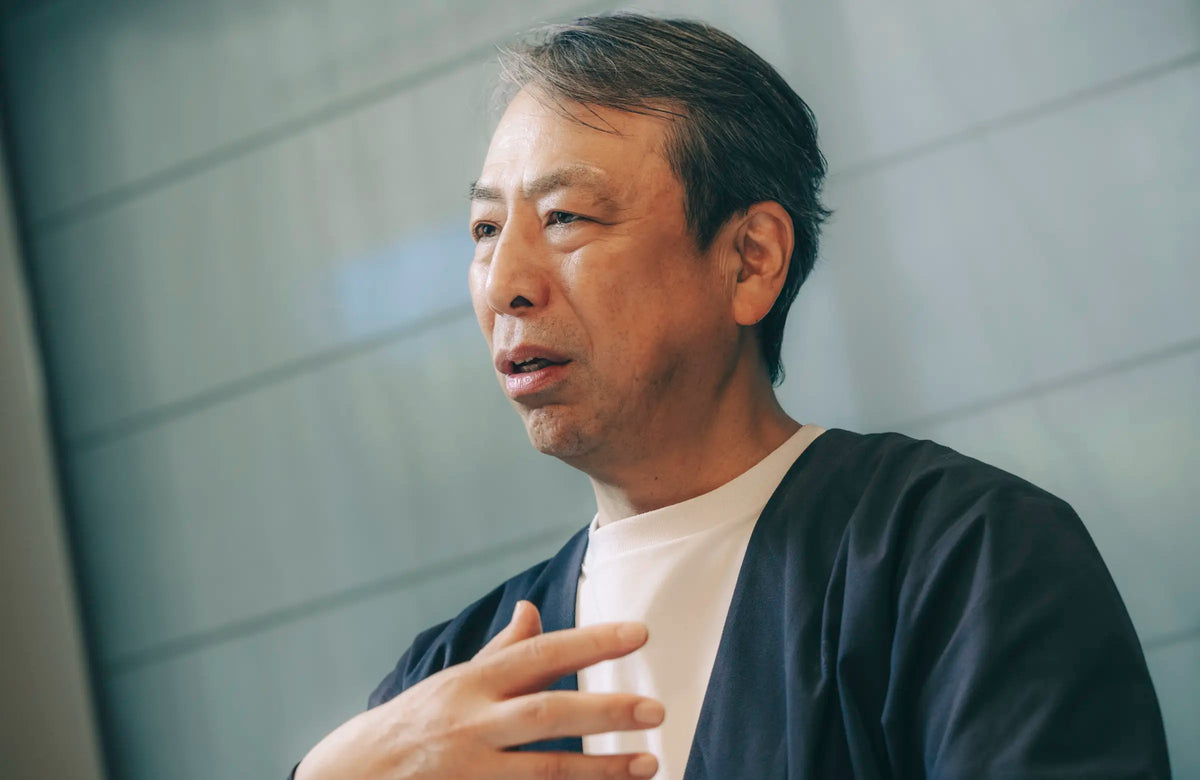
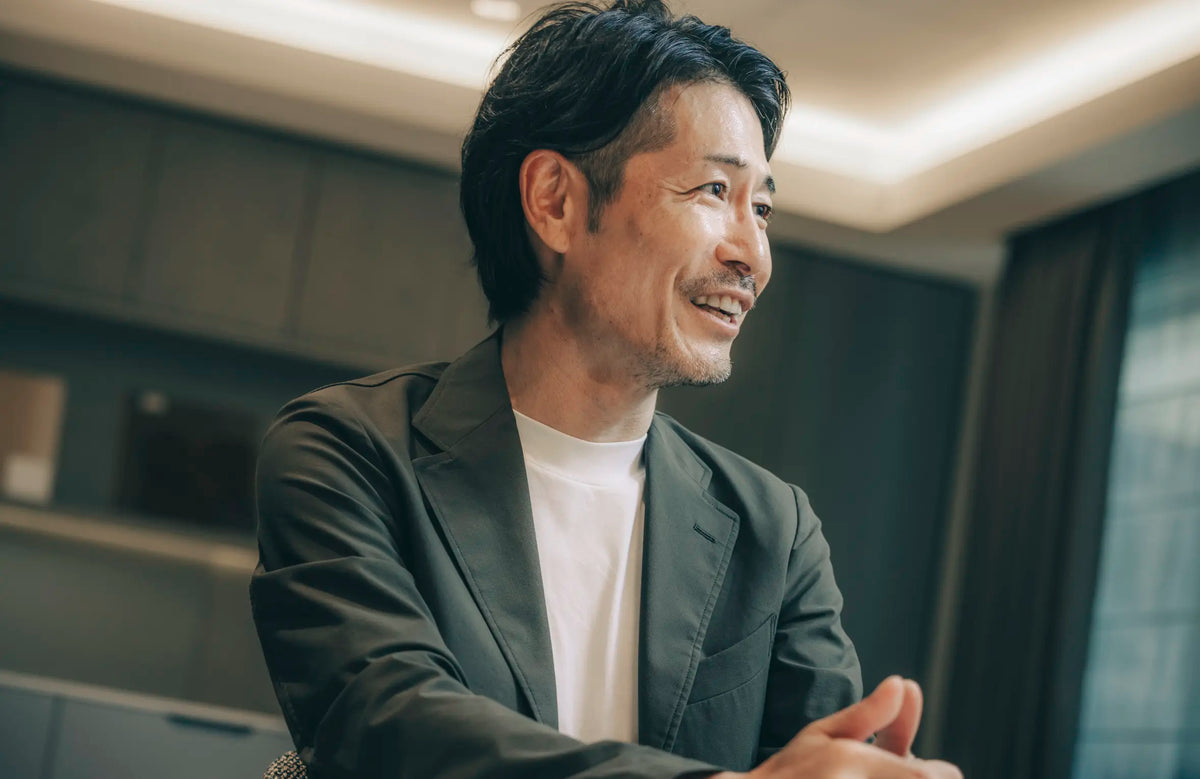
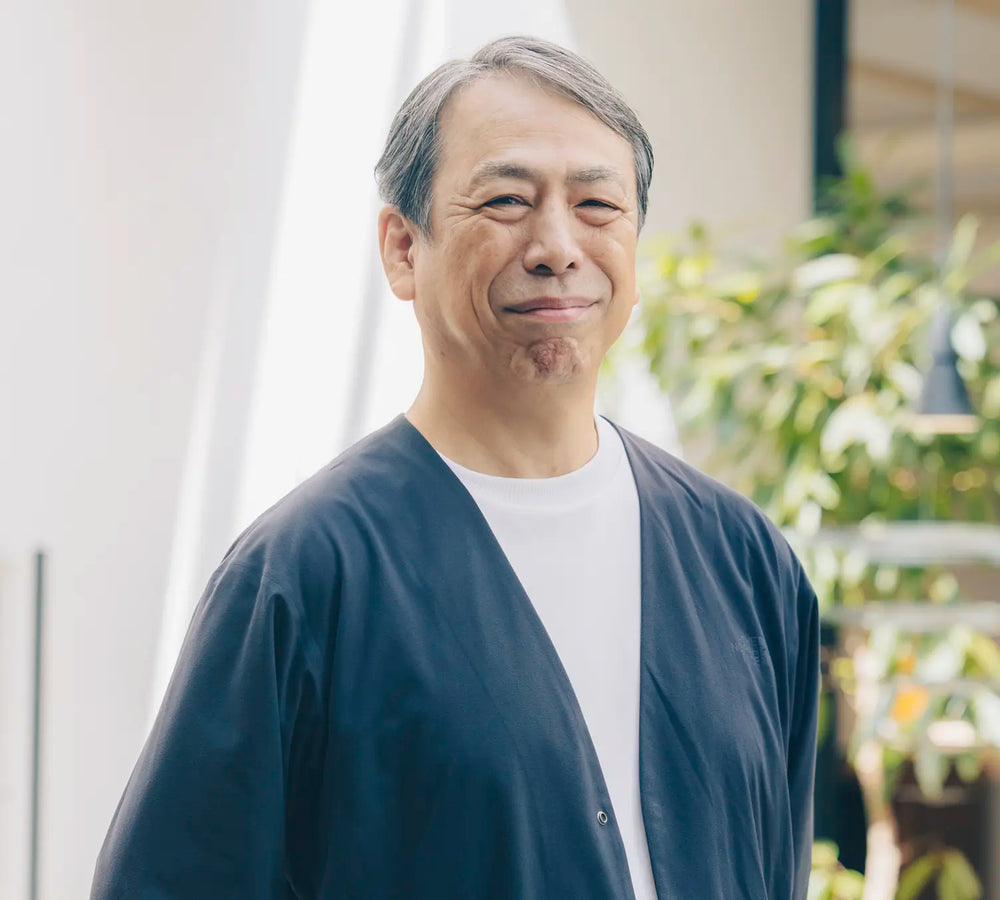
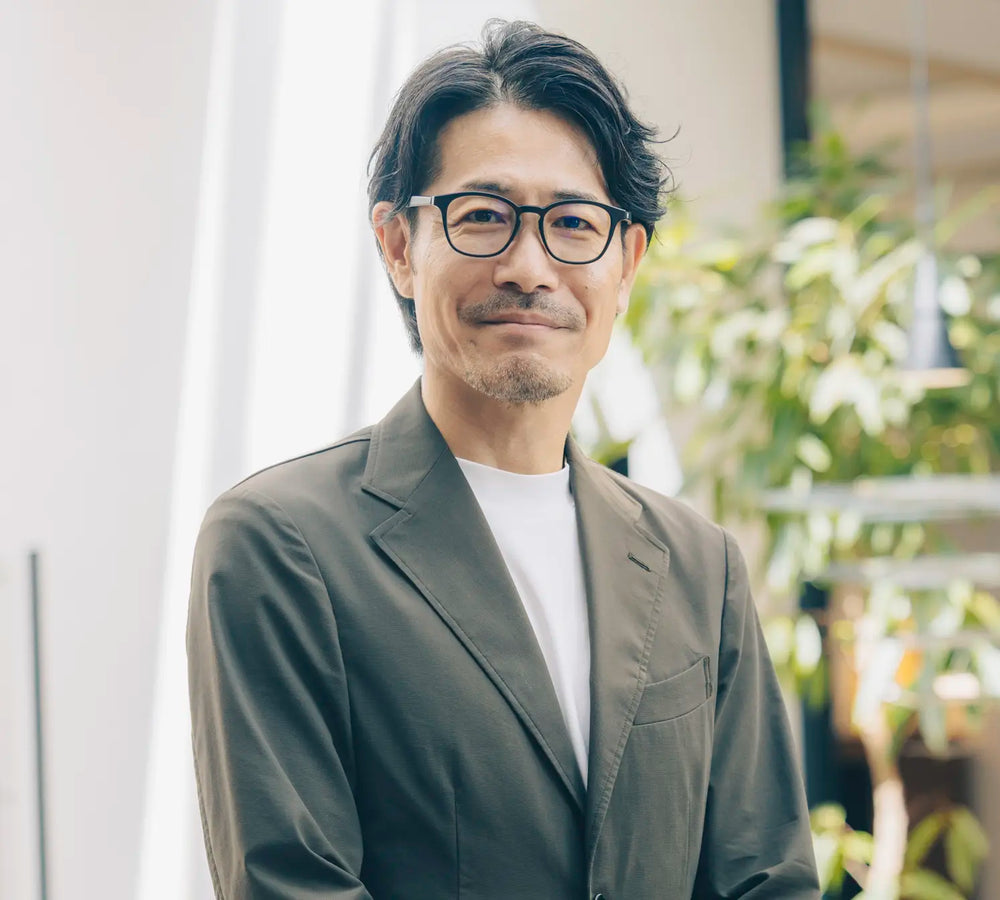
Akira Kyuyama, Chairman of the Board of ACTUS Co., Ltd., has led the lifestyle industry since the company’s founding in 1969 by upholding a philosophy of “Cherishing items and using them for a long time”. Shunji Takamori, Manager of the ORGANIC FIELD Department, was stationed in India for 12 years and has been instrumental in building the foundation of ORGANIC FIELD.
Having visited the cotton fields of India together, the two sat down to discuss the origins of craftsmanship and the sustainable future that lies beyond our daily lives.
Cherishing items and using them for a long time is the ultimate form of sustainability.
TakamoriSince its founding in 1969, ACTUS has embraced a philosophy centered on “a beautiful and thoughtful lifestyle” and cherishing items, leading the way in sustainability long before it became a trend. To start, could you tell us about the philosophy inherited from your founders and the company's journey so far?
KyuyamaWhen ACTUS was founded in 1969, Japan was in the midst of rapid economic growth. It was an era when owning and consuming goods, especially home appliances, was seen as the symbol of affluence. However, the founding members left behind a message: “A truly fulfilling life is not about repeated consumption, but about spending as much time as possible with products where you can see the face of the maker.” Rather than consuming and discarding items, the idea of a “thoughtful lifestyle”—cherishing items and using them over a long period—is the ultimate form of sustainability. This mindset remains deeply woven into ACTUS’s DNA today.
TakamoriIt is truly wonderful that such a mindset was established during an era of mass consumption and continues to be passed down seamlessly today.
KyuyamaI believe it is rooted in our origin story. At that time, while spreading American culture was the mainstream trend, ACTUS looked to Europe as a model. Because of our founding vision to introduce authentic European products to Japan, that culture and set of values naturally live on within our employees.
The essence of true richness learned from the local people
TakamoriIn that context, what was the deciding factor for you to endorse ORGANIC FIELD and adopt it for your products?
KyuyamaIt was seeing the STYLEM team in action when we visited the cotton fields in India in 2024. They were working with a strong sense of responsibility, asking themselves ”What should we be doing right now?” even beyond corporate profit and loss. To be honest, at first I was watching closely to see how they approached the initiative. However, seeing their earnest and grounded efforts on the ground deeply moved me, and I felt from the bottom of my heart that we shared the same philosophy.
TakamoriI was truly delighted that you took the time to travel to India yourself to see the actual operations on-site.
What made the strongest impression on you there?
KyuyamaBefore visiting, I wondered why modernization was moving so slowly despite India being such a populous country. Seeing people washing clothes by beating them against large rocks and cultivating cotton manually, my initial thought was, “Wouldn’t introducing machinery make their lives so much easier?“
But watching the lives of the local people on-site made me realize there was more to it. In India, where over 40% of the working population is engaged in primary industries, STYLEM provides support for transitioning to organic farming methods to improve their income and lives without taking away their livelihoods. I realized that this approach deeply respects the local people and closely supports their everyday lives.
TakamoriLiving in India for many years myself, I kept asking myself what farmers truly needed. Rather than unilaterally imposing our idea of sustainability, we help prepare the soil and increase the value of their cotton. I believe this leads to their independence and happiness, and that is what drives our commitment.
KyuyamaI was deeply impressed by how vibrant everyone was, working hard and with immense pride in their jobs.
Hearing from farmers that transitioning to organic farming reduced health hazards caused by pesticides and improved their quality of life made me feel that this project offers fundamental value far beyond mere financial support.
TakamoriNow in its sixth year, ORGANIC FIELD has seen various cycles of positive change alongside soil improvement. To repel pests and balance soil nutrients, crops like soybeans and corn are grown right next to the cotton plants. The farmers have shared that growing these food crops without chemical pesticides has improved the farmers' health, reduced their medical expenses, and increased their overall income.
Furthermore, they shared that cows grazing around the fields have shown changes, telling us that “the quantity and quality of milk have improved.” It makes me so happy to see that the farmers themselves feel in their daily lives that everything might be connected—not just cotton, but the soil, food, people's health, livestock, and even the children's lives.
KyuyamaEverything is connected within nature. I believe this is something I could never have truly realized without visiting the production site in person.
Not because it's eco-friendly, but because sustainability lies behind a truly great product.
TakamoriFor your first product rollout using ORGANIC FIELD, you chose towels. Could you share the reasons behind this choice and the details you focused on?
KyuyamaThere were two main reasons.
First, because towels come into direct contact with the skin every day, ACTUS has long maintained a commitment to developing only high-quality, excellent towels. We wanted to express that commitment using ORGANIC FIELD materials.
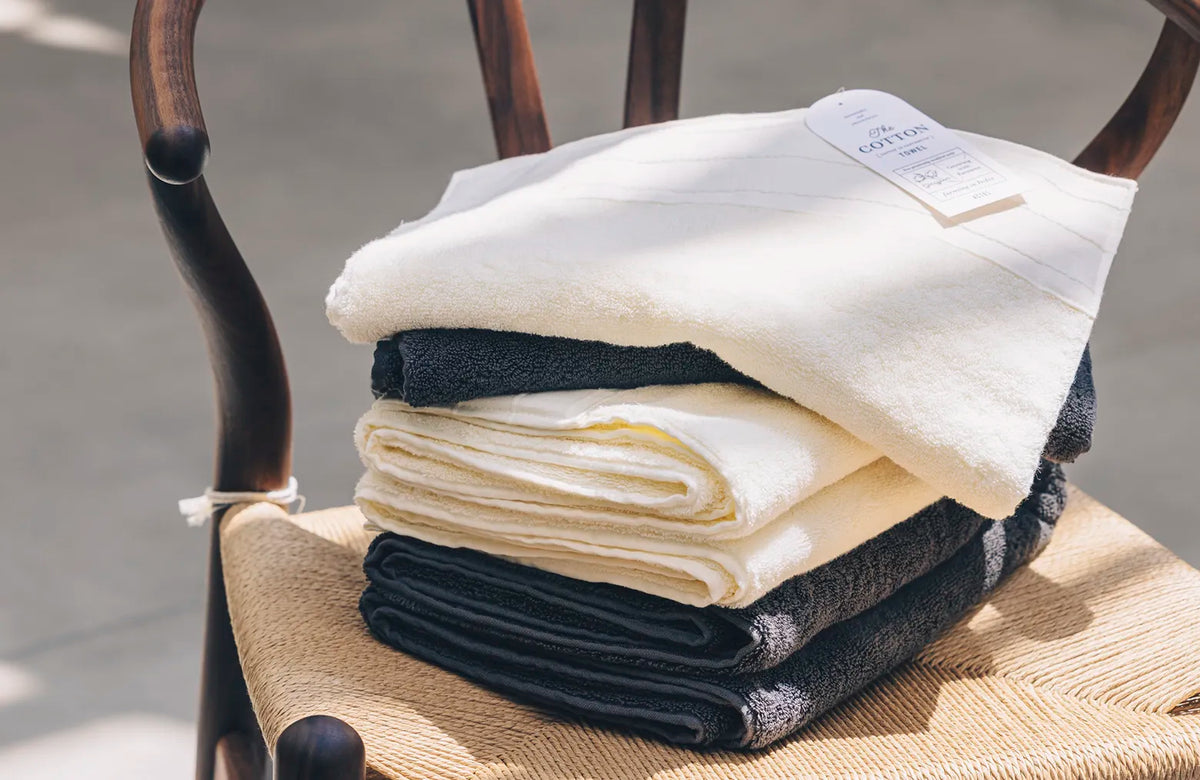
Second was our pleasant surprise regarding its functionality. Personally, I used to have an impression that with eco-friendly products, you had to compromise on comfort to some extent. However, when I tried the sample, I was astonished by its soft feel and high absorbency. It is environmentally conscious, yet exceptional to use. Because the quality allowed us to proudly call it a “great product,” we decided to adopt it. Furthermore, thanks to the thoughtful design by the development team, we paid special attention to achieving a thickness that dries quickly and doesn't feel heavy even when women wrap it around their heads. I personally use it every day.
Made with ORGANIC FIELD cotton
Visit to India in 2024
Discussing Their Experiences in India
Made with ORGANIC FIELD cotton
Visit to India in 2024
Discussing Their Experiences in India
Supporting the “In-Conversion” period from the retail end
TakamoriFor these towels, you used “Cotton in Conversion,“ which is harvested during the transition period toward organic farming certification.
KyuyamaDuring the transition period to gain organic certification, farmers face significant economic burdens due to reduced yields and an inability to sell cotton at fair prices. I found STYLEM’s framework—purchasing the entire volume of cotton harvested during this barrier period to support farmers—to be exceptionally groundbreaking.
And for retailers like us, supporting this transition period from the “outlet” end by selling finished products carries immense significance.
TakamoriOn the other hand, there can be a dilemma where placing too much emphasis on “environmental friendliness” makes it harder to convey the intrinsic appeal of the product itself. How do you view this balance?
KyuyamaI believe that while being environmentally conscious, any product offered by ACTUS must remain stylish. The customer should first feel, “This is wonderful, I want this.” Then, as they learn more about the product, they discover that it was made with consideration for the environment and producers. That discovery serves as a catalyst to subtly shift their awareness.
I think that order works best. Rather than presenting it grandly on large display panels, having our store staff share this story naturally in conversations with customers delivers a far deeper and more meaningful impact.
TakamoriRather than using sustainability as a sales tactic, we first elevate the product’s inherent value, with the company's commitment standing behind it. That is a philosophy we also cherish deeply.
Craftsmanship responsibility: Facing the background of materials
TakamoriIn recent years, opportunities to share the stories behind raw materials have increased in the fashion industry. How do you feel customer interest in the background of materials is evolving in the interior and lifestyle industries?
KyuyamaUpstream in the furniture industry, unplanned and illegal logging contributes to ecosystem destruction and desertification. Because of this, ACTUS strictly enforces procurement standards, sourcing wood certified by managed forestry programs like FSC. We also focus heavily on recycling unwanted furniture. In the past, we outsourced this to waste management contractors, but realizing we couldn't completely eliminate the risk of illegal dumping, we now collect everything in our own warehouses and manually disassemble and sort the materials. Although we ask customers to cover a portion of the cost for this recycling operation, explaining the reasons behind it leads to complete understanding and support. We truly feel a growing awareness among customers regarding environmental and social issues.
TakamoriThat is clear evidence that your transparent, genuine approach to sustainability is reaching your customers.
KyuyamaBecause legal regulations surrounding recycling in the furniture industry are still insufficient, we must hold ourselves accountable. Although it takes time, effort, and cost, this corporate stance enhances employee loyalty and builds genuine empathy with our customers.
TakamoriIn the fashion industry, there is often a heavy emphasis on functionality through composite materials and accelerating consumption cycles, meaning craftsmanship that accounts for recyclability and material origin is still developing. Balancing functionality with environmental consideration is a challenging theme, but we must continue exploring optimal choices that adapt to the times.
LYSSNA Face Towel / Bath Towel (Released in January 2026)
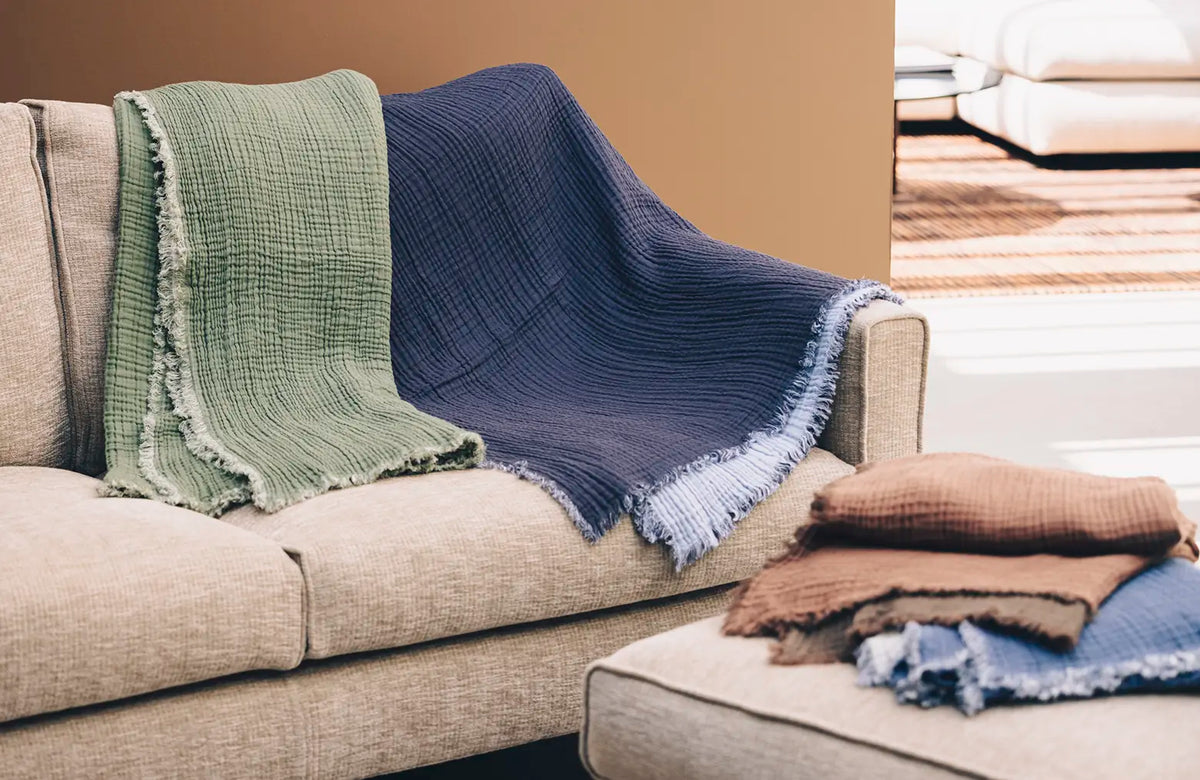
VARMLYS Throw (Released in April 2026)
Connecting intentions, building a sustainable cycle together for the future
TakamoriLooking back from your trip to India through to the product launch, what changes have occurred within your company or yourself?
KyuyamaVisiting India changed my outlook on life. Witnessing the passion of the people driving these efforts and the bright, engaged eyes of those working in the fields made me realize how vital it is to share not just surface-level product information, but the story behind it with our customers. Moving forward, I want more of our employees to experience the site firsthand.
TakamoriExperiencing the atmosphere on the ground is essential for understanding the true origin of craftsmanship and deepening loyalty to one's company. We feel immensely encouraged to expand this cycle alongside an outstanding partner like ACTUS.
Do you have any future prospects you would like to achieve together?
KyuyamaVisiting the raw material production site for the first time gave me a sense that everything from upstream to downstream is connected seamlessly as one. STYLEM continues to create such high-quality products while supporting local farmers. Now, it is our turn to contribute by procuring these products at fair prices, selling them, and expanding distribution channels.
Let us continue to join hands tightly from upstream to downstream to spread the proposals for the sustainable future.
TakamoriStarting from a single initiative, various elements—soil, crops, people, animals, and the lives beyond—begin to circulate in harmony. That is the true sustainability we aim for.
Rather than keeping this cycle within STYLEM alone, we want to expand this circle of connection together with ACTUS and everyone who resonates with our vision.
プロフィール
Akira Kyuyama
ACTUS Co., Ltd.
Chairman of the Board
Born in Kobe City in 1961.
Joined ACTUS Co., Ltd. in 1985. After serving as Store Manager of the Rokko Store in Kobe, General Manager of West Japan Sales Division / Executive Officer, and General Manager of Retail Division / Director, he became Representative Director, President & CEO in 2008. He assumed his current position in 2023.
Shunji Takamori
STYLEM Ltd.
Manager, ORGANIC FIELD Office
Born in Osaka in 1976.
Joined TAKISADA-OSAKA (now STYLEM TAKISADA-OSAKA CO., LTD.) in 1999. For 13 years, he was engaged in textile sales, primarily within the Japanese domestic market. In 2012, following the establishment of the company’s local subsidiary in India, he began an overseas assignment there. In 2017, he was appointed President and CEO of the Indian subsidiary. He assumed his current position in 2024.