

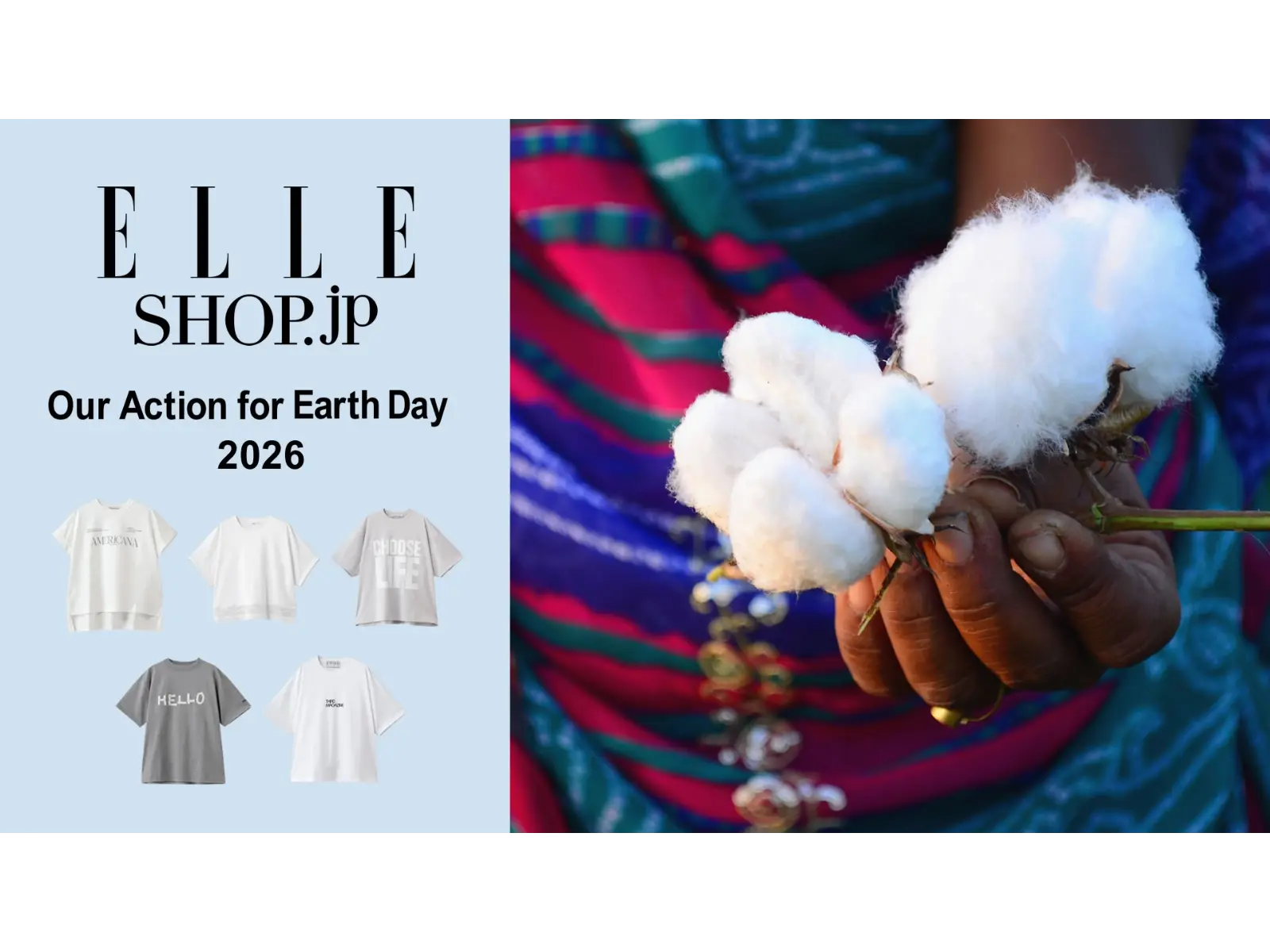
■ "ORGANIC FIELD" fills the "three-year gap" in organic farming
Currently, organic cotton accounts for only 2.9%* of global cotton production. One major factor hindering its widespread adoption is the "three-year transition period" required to obtain certification. During this period, farmers cultivate cotton using organic methods but cannot sell their harvested cotton as "organic," leading to economic risks. "ORGANIC FIELD" supports farmers during this challenging time by purchasing "cotton-in-conversion" (cotton harvested during the transition period) with a premium.
*Textile Exchange. 2025年材料市场报告
■ The Role of "ORGANIC FIELD" in Filling the "Three-Year Gap" in Organics
Currently, organic cotton accounts for a mere 2.9%* of global cotton production. One of the major factors hindering its widespread adoption is the "3-year transition period" required for certification. During this period, farmers cultivate cotton using organic methods, but cannot sell their harvested cotton as "organic," creating a significant economic risk. ORGANIC FIELD supports farmers' efforts by purchasing "cotton in conversion" (cotton harvested during the transition period) at a premium.
*Textile Exchange. Materials Market Report 2025
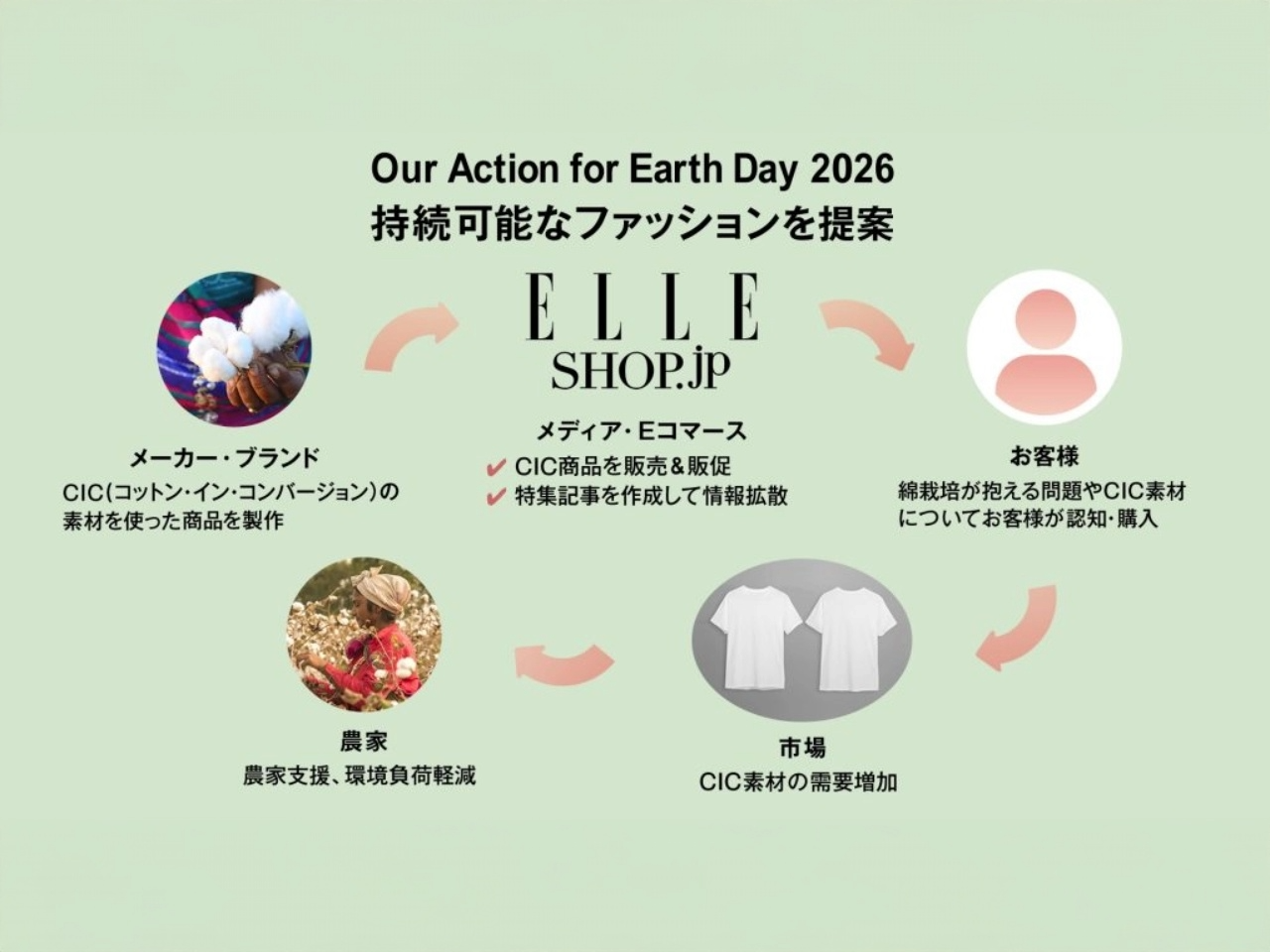
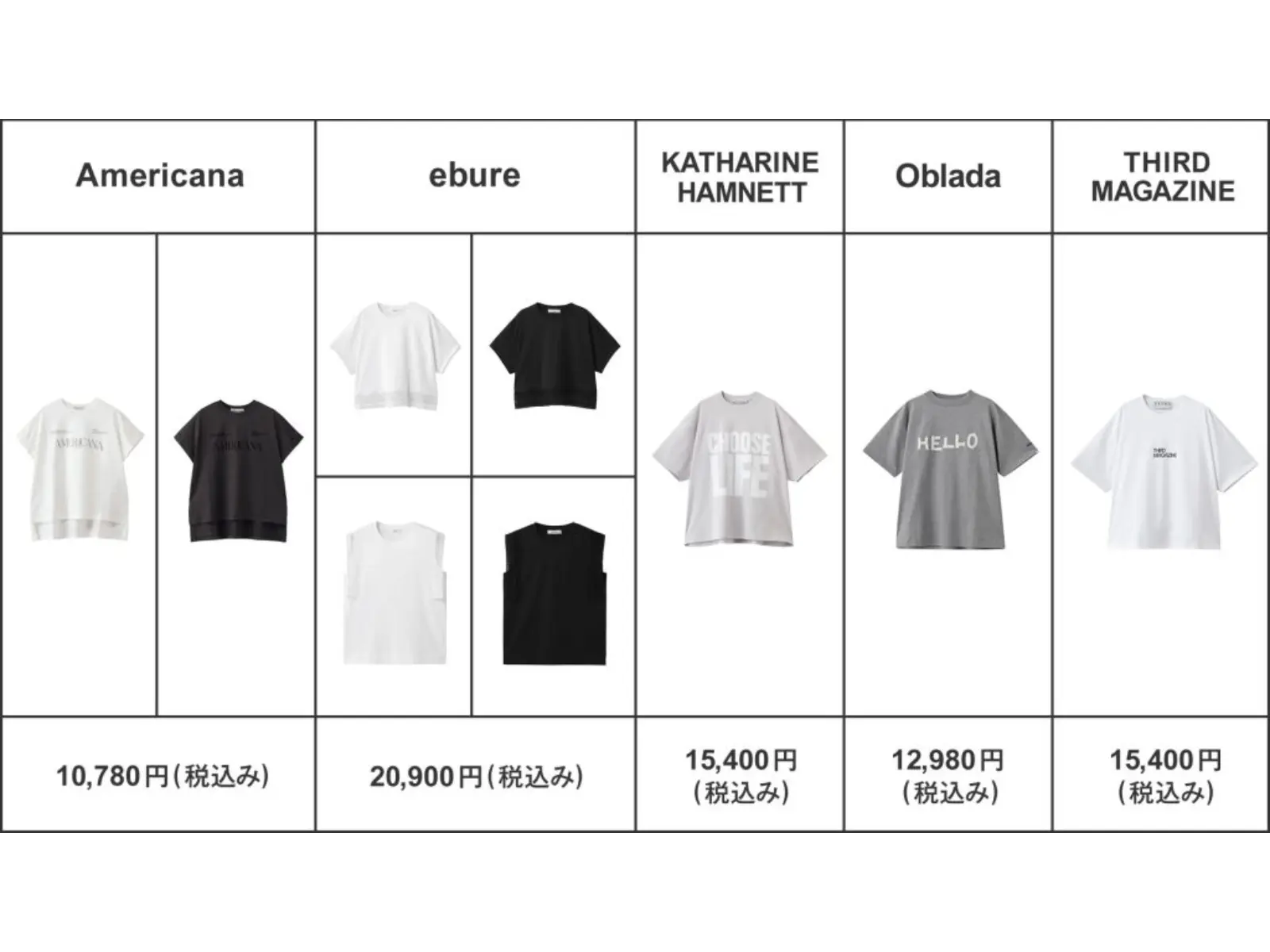
Participating Brands:
Americana
ebure
KATHARINE HAMNETT
Oblada
THIRD MAGAZINE
■From the ELLE SHOP Planner, Hearst Fujingaho
"As I researched organic cotton, I learned about the realities faced by farmers. What we at ELLE SHOP can do is more than just deliver products. Leveraging the unique characteristic of an e-commerce site rooted in media, we can carefully unravel the valuable stories behind the materials and convey them to our customers. I believe that choosing this T-shirt is a step towards creating a sustainable future, together with the brand and our customers."
■ What is "ORGANIC FIELD"?
An initiative that supports Indian farmers in transitioning to organic farming, aiming to reduce environmental impact and improve working conditions.
This initiative began in 2020, following a fraudulent organic cotton incident in India. It was driven by our responsibility as a cotton-handling company and our desire to consistently deliver reliable organic cotton.
By purchasing cotton during its "cotton-in-conversion" transition period, we encourage farmers to adopt organic practices and promote their widespread adoption. The harvested cotton ensures traceability by managing the entire process, from seed selection to cultivation and yarn production, under organic standards.